The front door isn’t what it used to be. That simple knock now comes with notifications, cameras, apps, and way too many product comparisons. You’re stuck deciding between sleek video doorbells and more structured systems, and it’s easy to get lost in marketing language.
The real question behind all the noise is: what actually fits your space and your habits?
That’s where the whole conversation around video door phones vs doorbells starts to matter. Both are miles ahead of a peephole. Both offer visibility. But they’re built for different expectations. Some homes just need quick app alerts. Others need something closer to a control hub. Businesses, especially those looking at commercial video door phones, have a completely different checklist.
If you’re trying to explain video door phone vs video doorbell without getting buried in specs, it really comes down to how much control and integration you want. We’ll look at how video doorphones improve home security, what makes something the best video door system for home security, and where each option actually makes sense.
Explain Video Door Phone vs Video Doorbell
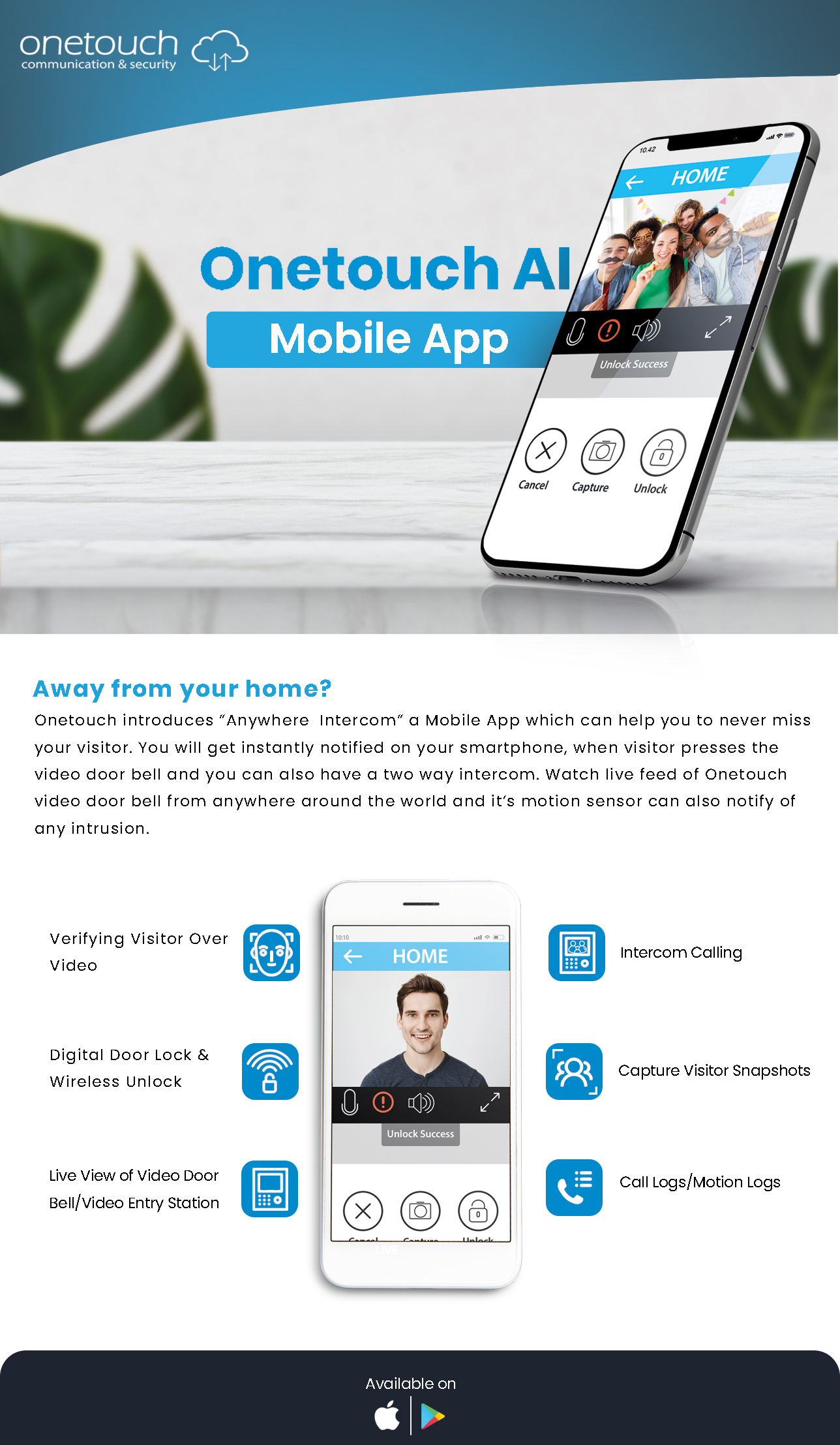
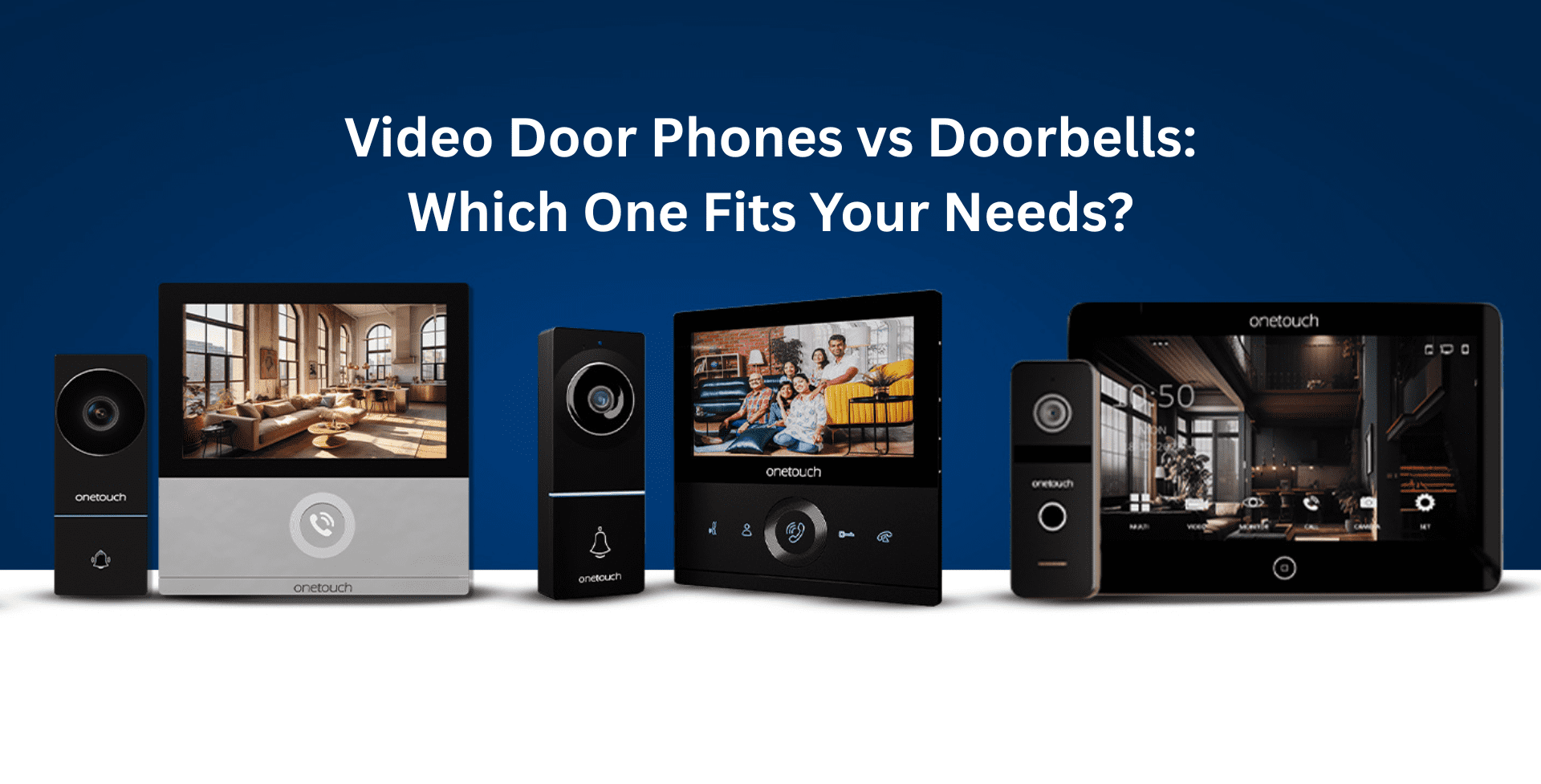
Let’s slow it down and strip it back. A video doorbell is usually one small unit outside your door. It hooks up to Wi-Fi, connects to an app, and sends everything straight to your phone. You install it yourself in an afternoon, maybe with a screwdriver and a bit of patience. It gives you live video, two-way audio, motion alerts, and stored clips in the cloud. Clean and simple. Very renter-friendly.
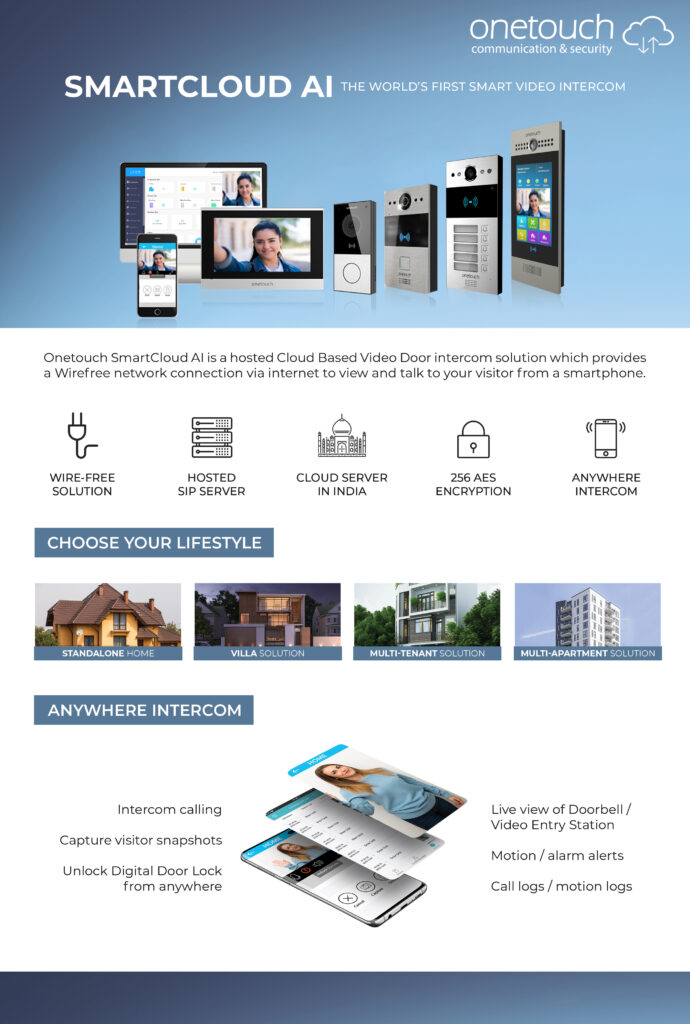
A video door phone is built differently. It isn’t just a camera at the door. It’s a system. There’s the outdoor entry unit, then one or more indoor screens, usually 7-10 inches. Often wired. Often powered through PoE, so it doesn’t flinch when Wi-Fi does. It’s designed to connect with locks, CCTV, and other building systems. It feels less like a gadget and more like infrastructure.
If you’re trying to explain video door phone vs video doorbell, this really is the gist of it. One is light, wireless, and phone-first. The other is heavier-duty, usually hardwired, and works like a small security command centre. That difference becomes clearer when you really compare video door phones vs doorbells in daily life. One lives mostly in your pocket. The other lives on your wall and ties the whole entry system together.
How Video Doorphones Improve Home Security
If you’re thinking about safety in a measurable way, not just notifications, this is where things matter.
A video door phone feels different the moment you use it on a proper indoor screen. An elderly parent doesn’t have to squint on a phone. They don’t have to shuffle to the door. They can just look up and decide. That alone changes the tone of a house.
Then there’s recording. Not just a short cloud clip that might or might not be there later, but actual stored snapshots and footage. If something goes wrong, you have something solid to fall back on. Not guesswork.
Good night vision and HDR make a bigger difference than people expect. Faces stay visible. Motion detection gets smarter. Fewer pointless alerts at 2 a.m. and more usable footage when you actually need it.
Some systems even bring alarms into the mix. Suddenly, the entry point isn’t just a camera, but a control point. It can trigger sirens, notify security, or connect with other devices. That’s a different category of response.
When you line up video door phones vs doorbells purely on safety, VDPs usually pull ahead. Not because they’re flashier or louder, but because they combine durable hardware, local recording, and system-level integration. It directly lowers risk, rather than just telling you something happened after the fact.
Video Door Phones vs Doorbells: Where Each Excels
When people talk about video door phones vs doorbells, this is what they’re circling back to. One is built for convenience. The other is built for capability. Neither is wrong. They just solve different problems.
| Choose a video doorbell if you want: | Choose a video door phone if you want: |
|---|---|
| Fast, cheap install and smartphone-first control. | A stable, professional setup for a house or office. |
| Cloud clips and easy footage sharing. | Integration with electronic locks, CCTV, or building intercoms. |
| A practical upgrade for flats and rental homes. | Local recording, PoE reliability, and stronger vandal/weather resistance. |
Make Everyday Access Smarter with Onetouch.
Commercial Video Door Phones: The Professional Standard
For businesses, this usually isn’t even a debate. Once you step into office environments, factories, and multi-tenant buildings, the expectations change. Commercial video door phones aren’t built for occasional use. They’re built for daily traffic, unpredictable visitors, and zero tolerance for downtime.
You start seeing things like SIP integration and ONVIF support. Not because they sound impressive, but because they allow the system to plug into existing IP-PBX setups and CCTV networks. Access gets managed from one place. Front desk, security room, even multiple sites if needed.
Add Mifare or NFC readers and the entry station becomes part of your access control, not just a camera. Strong metal housings and IP65 or higher ratings mean the unit survives dust, rain, and the occasional rough handling. That durability matters more than people think.
In a busy office or shared commercial space, a VDP is infrastructure. It controls flow. It protects assets. It supports compliance. Once you see it in that light, the choice stops being about features and starts being about reliability.
Choosing the Best Video Door Phone System for Home Security
If your priority is “best video door system for home security”, ask these questions:
- Do I need local recording and multi-camera support? (VDP + NVR wins here.)
- Will elderly family members use the indoor monitor often? (VDP with a large screen is ideal.)
- Do I want remote app control and quick DIY install? (A video doorbell fits.)
- Is vandal resistance and weather rating important? (Commercial VDPs are tougher.)
Hybrid options exist: wired VDP cores with mobile app features give reliability plus remote access. That’s a sensible middle ground for many homes.
Onetough Picks: Real Products, Real Use Cases
A few examples to match needs, so you can picture the final setup:
- OT-IP-VDP-V4 (10” Android): Flagship VDP for luxury homes and offices. Big screen, SIP, PoE, and alarm zones. Perfect where the door system doubles as a security console.
- OT-IP-VDP-C3S: Single-button outdoor station with 125° camera, motion detection, BLE/Mifare – great for gated entries and reception desks.
- OT-IP-VDP-V5 (Wireless): A compact, Wi-Fi-friendly VDP that leans toward ease of install while keeping VDP reliability.
If your priority is quick setup, app notifications, and minimal wiring, a good smart doorbell is fine. It does what it promises. If you want durability, integration with locks and CCTV, local recording, and something that feels stable five years from now, a VDP from a vendor like Onetouch makes more sense. Ultimately, it’s about how serious you want your entry system to be. We hope this answers the usual video door phones vs doorbells debate in practical terms!
Modernise Your Building Access with Onetouch
FAQs
Q. What is the main difference in the video door phones vs doorbells comparison?
It comes down to structure. In most comparisons, doorbells are app-first and easy to install. Everything lives on your phone. A VDP is more layered. You get indoor monitors, local recording, and tiger integration with locks and CCTV. One feels lightweight. The other feels built in.
Q. Can a VDP work without internet?
Yes, and this surprises people. A wired VDP will usually keep core functions like intercom and door unlocking running even if Wi-Fi drops. You just lose remote app access until the connection comes back. That local independence is part of why many people call it the best video door system for home security when stability matters.
Q. Which is better for the elderly or mobility-limited users?
Video door phones, no hesitation. Larger indoor screens, clear buttons, and no need to fumble with a smartphone. That physical interface is one of the reasons how video doorphones improve home security, as it becomes evident in real households, especially for seniors.
Q. Will a VDP integrate with my electric lock?
In most cases, yes. Many residential units and almost all commercial video door phones support relay outputs, which let you unlock doors directly from the indoor monitor or the app. Such a level of integration is what tips the scale when people are trying to explain video door phone vs video doorbell in practical terms rather than marketing language.