How a Decade of Innovation Simplified Security Installation
Over the last decade, security technology has evolved significantly. What once required complex wiring, multiple hardware layers, and heavy on-site configuration has gradually transformed into simpler, smarter, and more integrated systems.
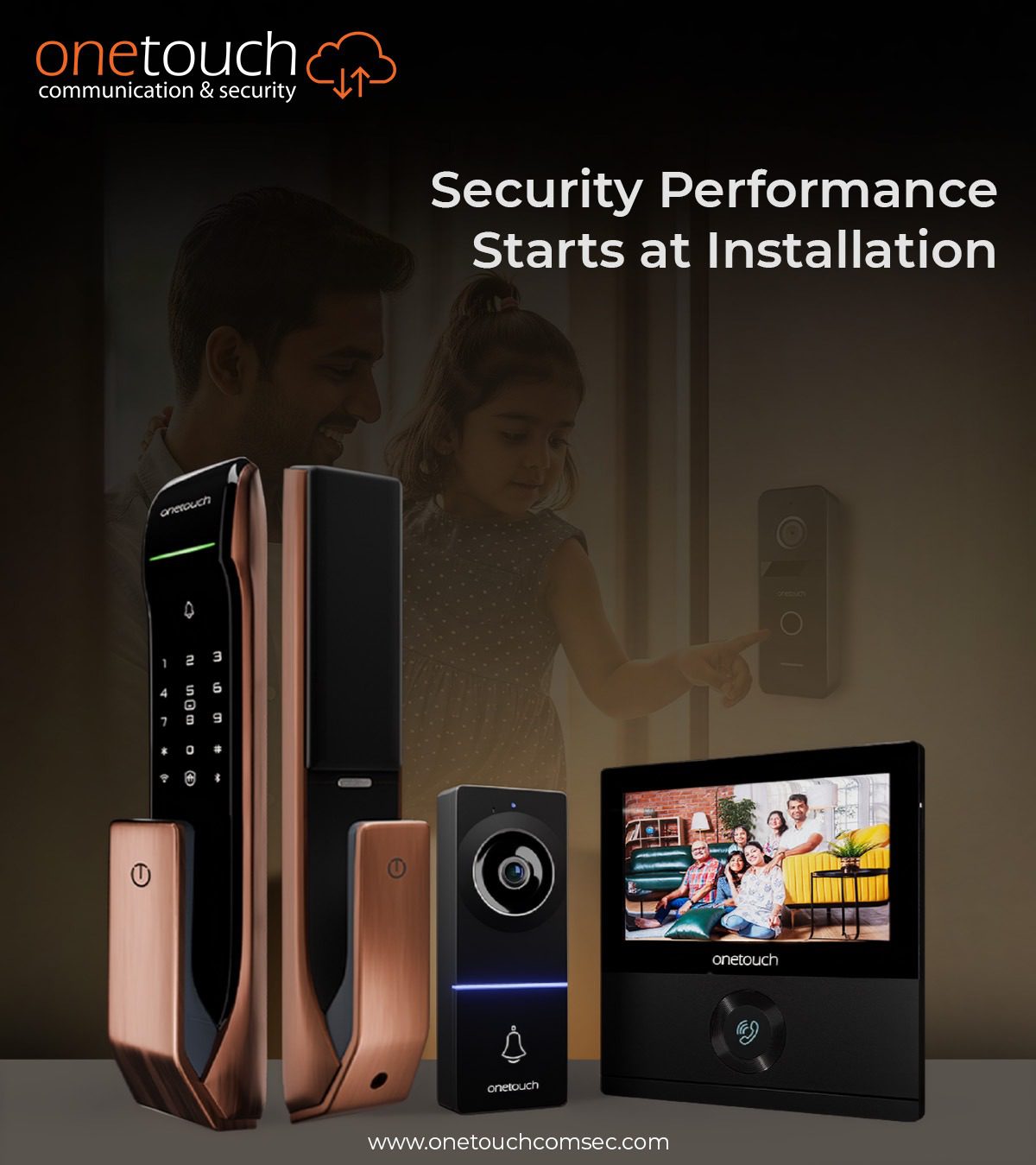
Solutions like Video Door Phones (VDP) and Digital Door Locks (DDL) have played a key role in this shift. Communication, verification, and control—once handled through separate systems—are now designed to work together seamlessly.
However, while technology has simplified, installation challenges still persist. And when these challenges are overlooked, the impact is not just technical—it directly affects the end-user experience.
A poorly installed system may function on paper, but for residents and users, it results in delays, confusion, and lack of trust in the security setup.
Where Installations Commonly Go Wrong
Despite smarter products, certain mistakes continue to surface during on-ground execution:
-
Door specifications are assumed rather than verified
-
Locks are installed without confirming orientation or handing
-
Minor alignment errors are ignored during fixing
-
Existing wiring is expected to support new technology
-
Network planning is treated as an afterthought
Individually, these may seem like small oversights. Collectively, they lead to poor reliability and a compromised consumer experience.
️ Key Takeaway: A Simple Checklist to Avoid Common Installation Mistakes
While challenges are common, most of them are also completely avoidable. Below is a simple checklist that helps prevent installation errors and ensures a smoother user experience.
☐ Start with the Door, Not the Device
Even the most advanced video door phone or digital door lock will underperform if the door itself is unsuitable. Before installation, check the door’s thickness, material, internal structure, and weight. Using the cut-outs or templates provided by the brand during planning helps ensure proper fit, prevents misalignment, and reduces long-term mechanical stress.
☐ Confirm Lock Orientation Before Installation
Digital locks and mortise mechanisms are precious components.
Always verify lock direction, handing, and opening side before installation begins. This avoids rework and ensures smooth, consistent locking performance.
☐ Treat Alignment as a Critical Step
Improper alignment between the lock and counter plate is a common cause of inconsistent operation.
Accurate marking, correct spacing, and door movement testing before final fixing significantly improve durability and performance.
☐ Match Wiring to Product Requirements
Legacy wiring may not support modern smart security systems.
Power and communication cabling should be reviewed and aligned with the selected product. Early coordination between system integrators and site teams helps avoid last-minute compromises.
☐ Plan Network Connectivity in Advance
With cloud-enabled VDP and DDL systems, network stability directly impacts user experience.
Router placement, distance limitations, and bandwidth availability must be assessed early to ensure consistent and responsive performance.
Designing for Experience, Not Just Installation
Smart security systems today are designed to simplify life—not complicate it. But the success of these systems depends heavily on how thoughtfully they are installed.
Video door phones and digital locks can be tricky to install correctly. In practice, brands such as Onetouch provide professional support to make sure these systems function reliably in daily use.
Ultimately, good installation is invisible. When done right, users don’t notice the technology—they simply trust it.